
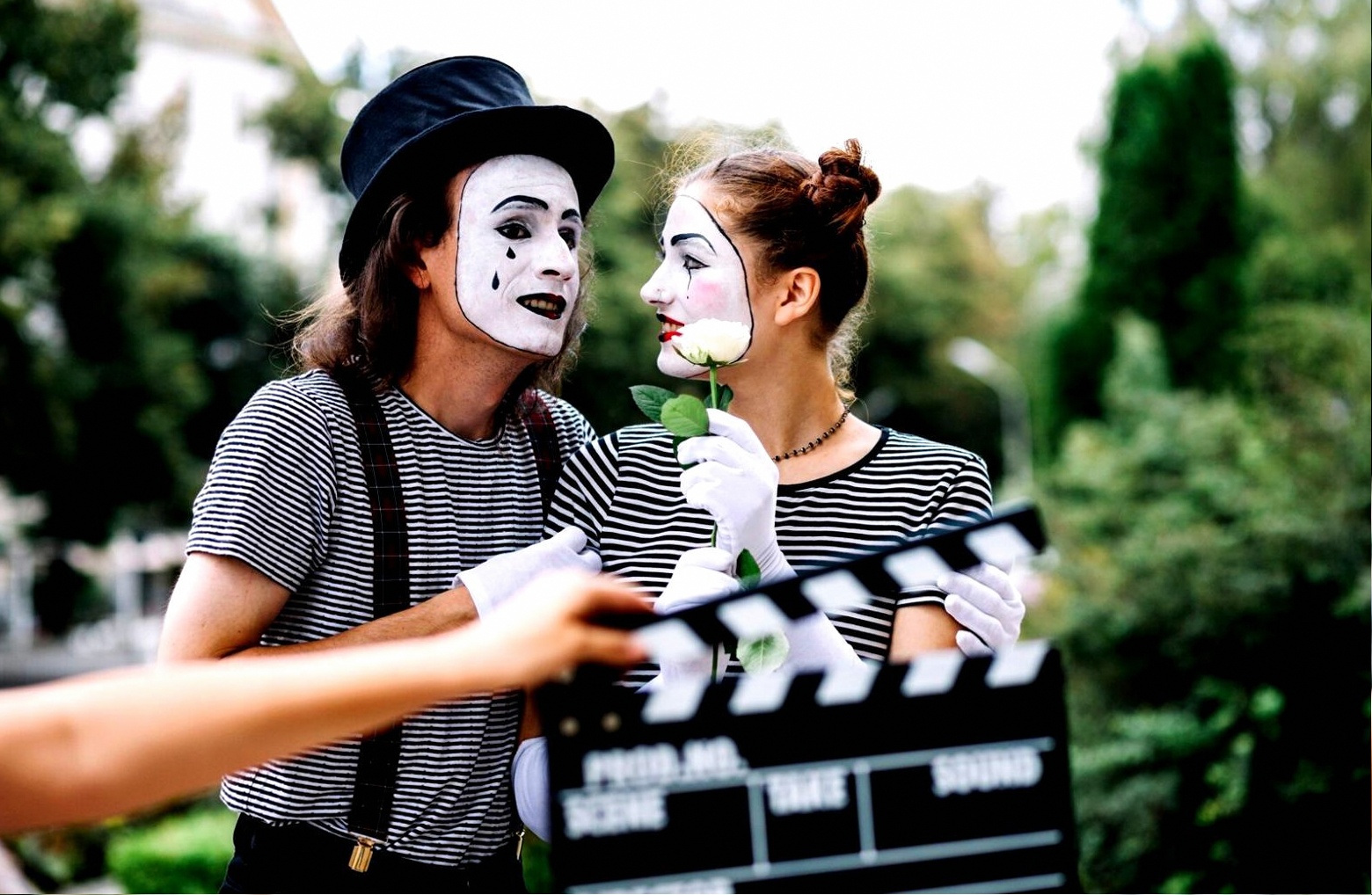
Most people hear Stanislavski and picture months of conservatory training. That assumption is worth questioning. Several of his core ideas are genuinely portable.
The Experiment
Over three weeks, one technique was practised each day for 15 minutes before work. The goal was simple: figure out which fundamentals actually stick without a classroom.
What Was Tested
- Given circumstances — writing out a character's backstory in a journal
- Objectives — identifying what a character wants in a single scene
- Emotional memory — recalling a specific past moment to access a feeling
The Results, Honestly
Given circumstances produced the fastest visible results. Writing even three sentences about a character's life before a scene made dialogue feel less mechanical. Emotional memory was harder to access reliably in short sessions — it tends to need more stillness and time than a rushed morning allows.
Useful Resources
- An Actor Prepares by Konstantin Stanislavski — read one chapter at a time
- Acting: The First Six Lessons by Richard Boleslavsky — shorter and more digestible
The Takeaway
Objectives and given circumstances are the two fundamentals worth practising first if time is genuinely limited. They create immediate, observable changes in how a scene reads.